
Restaurant Customer Data: Why to Track and What Matters in 2027
Published
An eatery processes hundreds of orders in a week. The owner can tell you how many orders were processed that week. However, can they tell you who is placing the orders? Owning this information can provide a great competitive edge. Knowing who your repeat customers are and what they order gives insight on what they find value in.
Restaurants are moving away from focusing on their sales numbers to analyzing restaurant customer data. With this information, owners can enhance customer loyalty programs and offers. Marketing campaigns can be aligned with customer values.
Any business can be great at collecting sales data, but owning customer data is what helps businesses thrive.

What Is Restaurant Customer Data?
Restaurant customer data is collected through customer interactions with your business. This can include:
Customer name and contact information
Order history
Favorite menu items
Visit frequency
Average order value
Preferred ordering channel
Loyalty activity
Offers or promotions used
Purchase dates and times
Location information where relevant
The goal is not to collect as much information as possible.
The goal is to collect useful information that helps you serve your customers better.
What Data Should Restaurants Track?
Start with the information that tells you how customers actually behave.
1. Order History
There are often patterns in customer orders. One such pattern is that customers who order biryani more than once are good candidates to receive offers for biryani.
The patterns may vary, but knowledge of past orders may be helpful in promoting certain offers.
2. Visit Frequency
Identify customers who visit once a month, once a week, or several times a week.
This helps you distinguish between occasional customers and regular customers.
3. Average Order Value
Track how much customers typically spend.
This can help you understand whether promotions, upselling, or bundled meals are increasing order value.
4. Favorite Items
Understanding popular items can help with recommendations, promotions, and menu planning.
5. Loyalty Activity
If you run a loyalty program, track points earned, rewards used, and repeat purchases.
This can help you understand whether your loyalty program is actually encouraging customers to return.
Why Is Data Important for Restaurants?
Customer data can help answer questions that sales numbers cannot. For example:
Who are our most frequent customers?
Which customers haven't returned recently?
Which menu items are popular with repeat customers?
Which promotions generate repeat orders?
When do regular customers usually visit?
Marketing strategies can improve and retain customers with the help of these insights.
These insights allow restaurants to move past mass market promotions, increasing the number of customer segments they can create.
How Restaurants Can Use Customer Data
Customer data can be useful for simple, practical activities.
- Create targeted offers
A customer who frequently orders lunch may respond better to a weekday lunch promotion than a generic weekend offer.
- Encourage repeat visits
If a customer hasn't ordered for a while, a relevant offer can give them a reason to return.
- Improve loyalty programs
Track which rewards customers actually use, and which offers encourage repeat purchases.
- Understand customer preferences
Order history can show which dishes, categories, or services customers prefer.
- Improve marketing decisions
Instead of guessing what customers want, restaurant owners can use actual customer behavior to guide campaigns.
Restaurant CRM and Customer Analytics
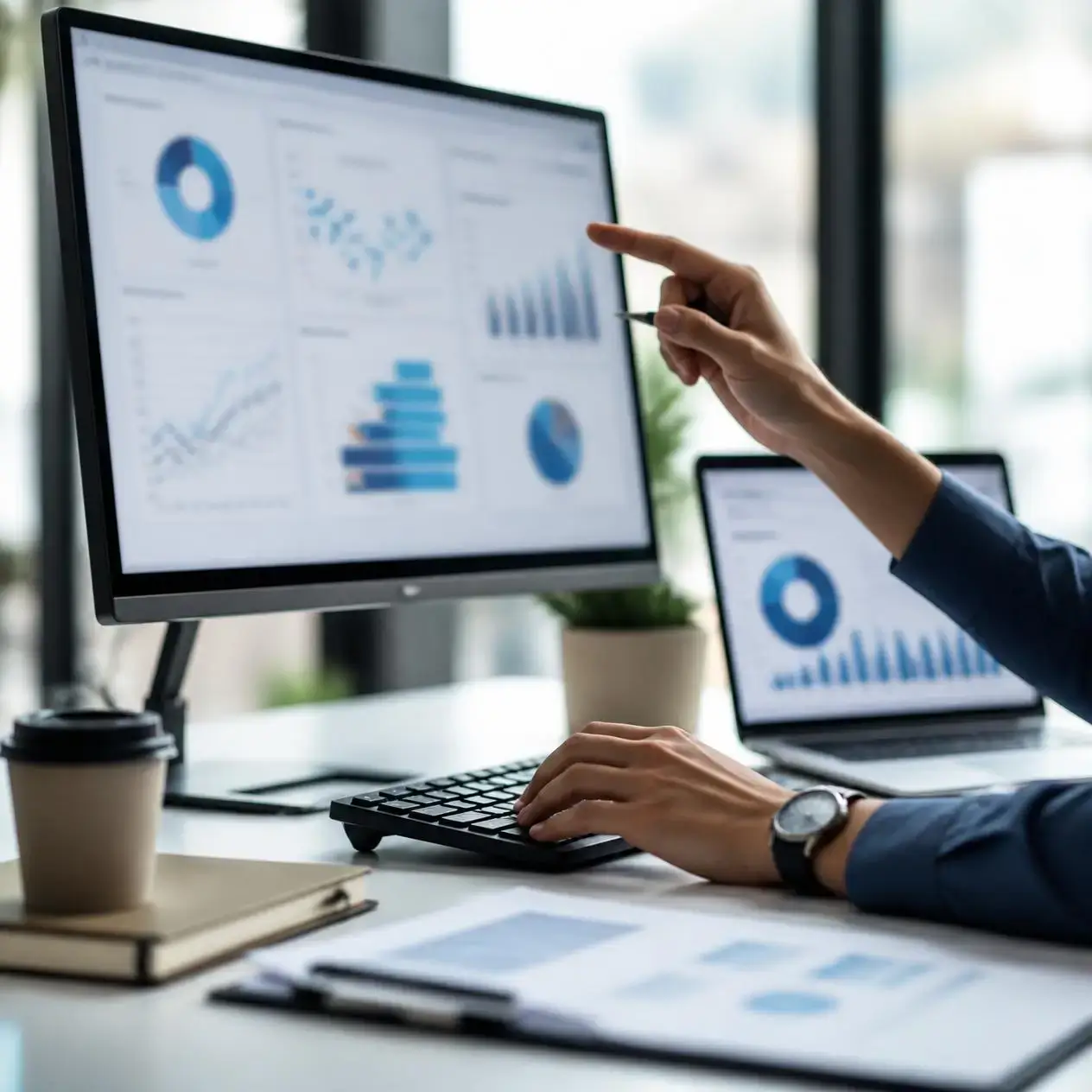
A restaurant CRM helps organize customer information and interactions in one place. Customer analytics then turn that information into useful insights.
For example, a restaurant might discover that:
Repeat customers generate a large share of sales.
Certain customers order mainly during weekends.
Some promotions attract new customers but don't generate repeat visits.
A particular menu category is popular among loyal customers.
These insights can help restaurant owners make more informed decisions.
Don't Collect Data Without a Purpose
More data can often lead to worse data.
There must be a valid business reason for collecting information, and there must be responsibility for how guest information is handled.
Guests need to have a clear understanding of how their info will be used and what that info will be used for. Privacy requirements must be adhered to.
Information that is not necessary should not be collected.
These ideas should be implemented by all businesses: Collect useful data → understand customer behavior → take relevant action → measure the result.
How Chefgaa Can Help
Owners waste a lot of time collecting data from different systems. Chefgaa consolidates all that data in one place.
Chefgaa's analytical tools and features, combined with their knowledge of the restaurant business, give clients the opportunity to combine different ways of thinking about their business. This helps clients see and analyze their business data and other information they couldn't see before.
Owners can finally make changes based on actual data, instead of making guesses.
Restaurants can keep a variety of customer data, from the typical order and when it’s placed to how it’s paid for and who placed it.
Analyzing customer behavior and trends lets restaurants structure programs that reward their most loyal customers while focusing on the strategies that give them the highest return.
Point of sale systems offer the greatest opportunity to find customer buying trends and purchasing behaviors. Customer Relationship Management (CRM) systems offer similar data in a more organized fashion. Loyalty programs track and reward customers based on purchase behaviors and frequencies.
Restaurant CRMs store and sort information regarding customers, how they are contacted, how they engage with the business, and how they purchase.
Customer data can help provide and recommend rewards and offers based on customer buying patterns and behaviors.
Final Takeaway
Customer data is more valuable than just a means to build and enhance a marketing campaign. It can be used to analyze customer patterns, like how often they purchase and what they buy, as well as explore ways to improve the customer experience. Offers can be tested and refined using data. Customer retention can be assessed using data.
All ways start with the basics: Track → Understand → Segment → Engage → Measure.
You don't need to collect everything. You need the right information and a clear reason for using it.