
Published September 22, 2026
A customer finds your restaurant on Google. They like the photos. The reviews look good. The location is convenient.
Then they have a simple question: "Where can I see the menu?" They click around, but there is no website.
Maybe they found an Instagram page. Maybe there's a Google Business Profile. Maybe your restaurant appears on a delivery platform. But the information they need is spread across different places.
That small moment can make the difference between a customer placing an order and moving on to another restaurant.
A restaurant website is no longer just an online business card. It can be the place where customers discover your restaurant, check your menu, find your location, make a reservation, place an order, and decide whether they want to visit.
So, do restaurants really need a website in 2026? The answer depends on how you use it. A website that simply displays your restaurant name and a few photos won't do much. A website that helps customers act can become an important part of your restaurant's digital presence.
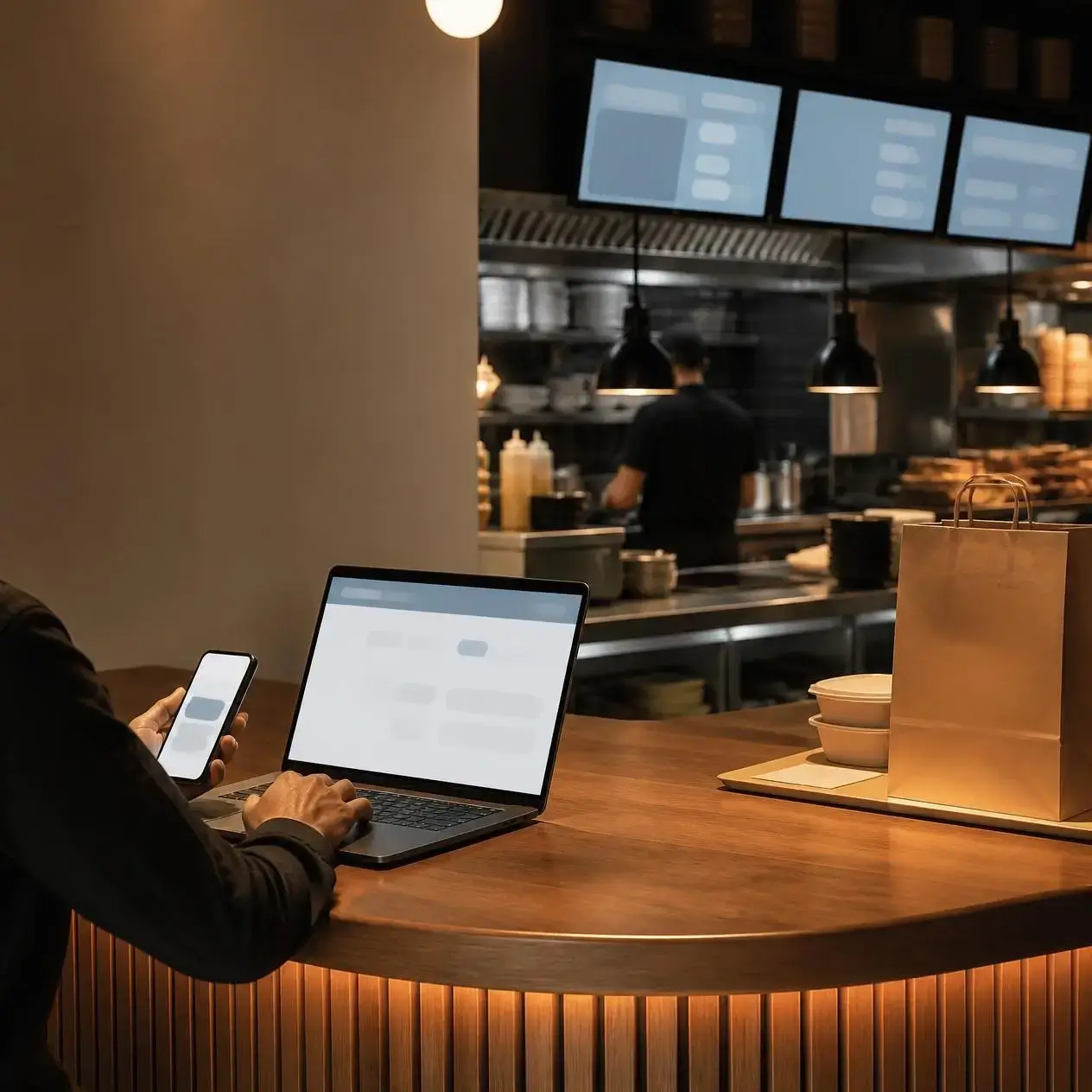
Do Restaurants Really Need a Website in 2026?
Websites can be an important part of the research process. Research found that 32% of surveyed diners said they always check out a restaurant website before visiting.
Think about what happens when someone searches for a restaurant. They may want to know:
What's on the menu?
How much does it cost?
Is the restaurant open?
Where is it located?
How can I make a reservation?
How can I order online?
Do you offer delivery?
Is there a vegetarian or other dietary option?
Do you offer catering?
If your website answers these questions quickly, you make the customer's decision easier. And that's the real purpose of a restaurant website.
It isn't about having a fancy website just because every business has one. It makes it easier for customers to choose a restaurant.
What Happens If a Restaurant Doesn't Have a Website?
Imagine someone searches: “Indian restaurant near me.” Your restaurant appears in the search results. The customer sees good reviews and wants to know what you serve. They search for your menu.
Instead of finding your website, they find an old social media post, a third-party listing, or an outdated menu somewhere else. Now the customer must spend time looking for basic information.
Some customers will continue searching. Others may simply choose another restaurant where the information is easier to find.
This doesn't necessarily mean the other restaurant has better food. It means the customer had less work to do. That's an important distinction for restaurant owners.
Customers don't choose restaurants with features. They often choose a restaurant that makes the decision easiest. A website can help remove that friction.
Your Website Can Become Your Digital Storefront
Think about your physical restaurant. You want the entrance to look welcoming. You want the menu to be easy to understand. You want customers to know what you serve. You want your staff to answer questions.
Your website should work the same way. When someone lands on your website, they should quickly understand:
Who are you?
What do you serve?
Where are you located?
How can I order?
Can I reserve a table?
How can I contact you?
A good restaurant website doesn't make customers search for these answers.
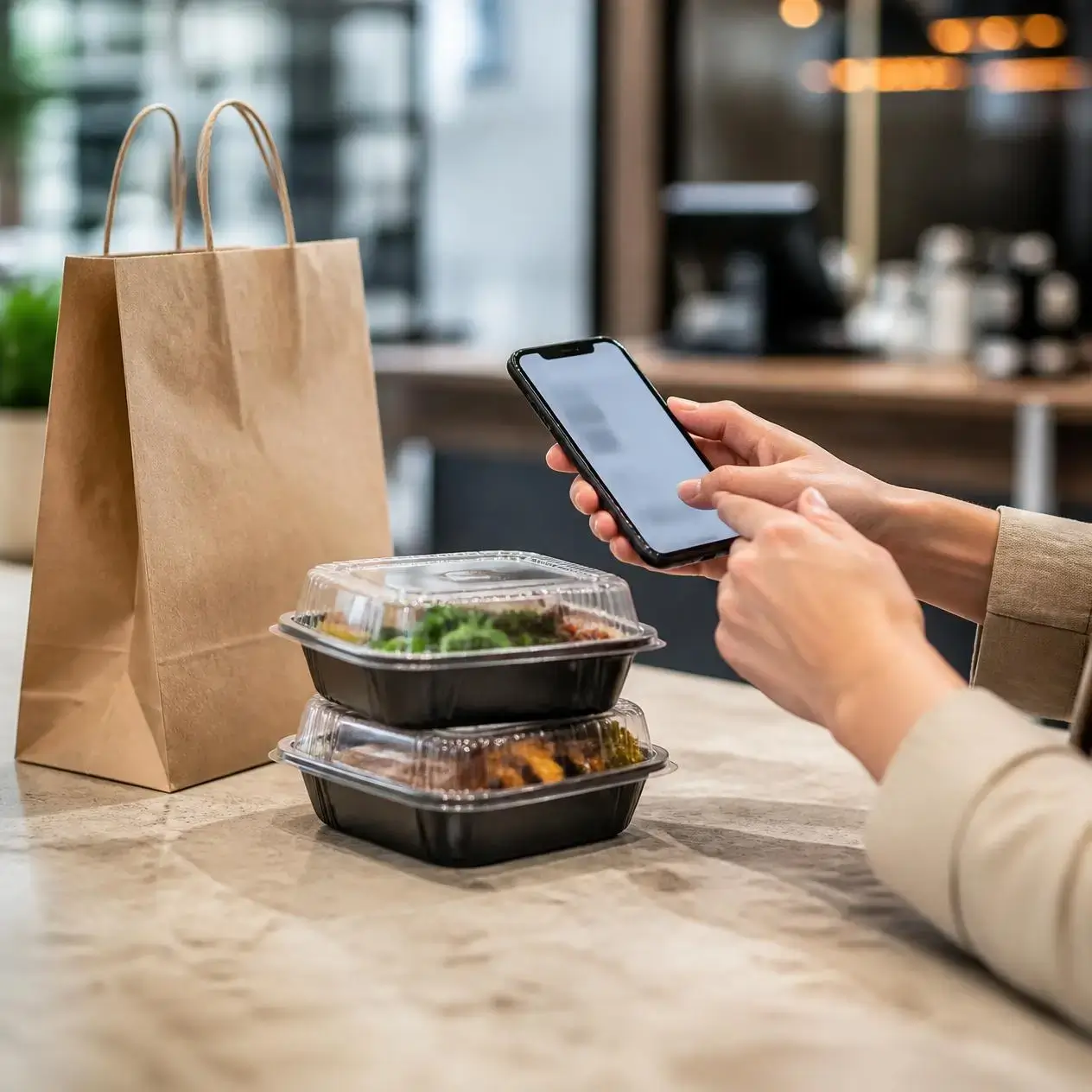
Online Ordering Can Turn Website Visitors into Customers
A website becomes much more valuable when customers can actually take action from it. For restaurants, one of the most useful actions is online ordering.
A customer may discover your restaurant through Google, read about your food, and then place an order. The path should be simple:
Find restaurant → View menu → Select items → Customize → Pay → Receive confirmation.
The fewer unnecessary steps, the better.
The National Restaurant Association has reported strong consumer interest in ordering directly through restaurant websites, showing why online ordering can be an important part of a restaurant's digital experience.
Your website doesn't necessarily replace every third-party delivery platform. Instead, it can give your restaurant another direct ordering channel — one where your restaurant has more control over customer experience.
Restaurant Website vs. Social Media: Do You Need Both?
Yes. Websites and social media serve different purposes.
What Social Media Is Best For
New dishes
Reels and short videos
Promotions
Customer engagement
Behind-the-scenes content
Announcements
Community interaction
What Your Website Is Best For
Menu information
Ordering
Reservations
Locations
Catering
Permanent business information
Search visibility
Customer conversion
Social media can help people discover you. Your website can help them take action. A restaurant shouldn't have to choose between the two simply because they perform different jobs.
How a Website Supports Restaurant SEO
Your restaurant website can also help you build organic search visibility. For example, customers may search for:
Indian restaurant in Edison, NJ
Best biryani restaurant near me
Restaurant with online ordering
Indian catering in New Jersey
Restaurant reservations near me
Family restaurant near me
A properly structured website gives you an opportunity to create relevant pages around these searches. For example, a restaurant serving multiple locations could have individual location pages. A restaurant offering catering could create a dedicated catering page. A restaurant offering online ordering could create an ordering page.
The important point is not to simply add keywords to every page. The content needs to be useful. Google and other search engines need to understand what your business offers, where you operate, and which customers your services are relevant to.

Don't Build a Website Just for Search Engines
This is one of the biggest mistakes businesses make. They create a website filled with keywords but forget about the person actually visiting the page.
Imagine a customer searching for “restaurant with online ordering.” They want to know:
Can I order here?
What can I order?
How much does it cost?
Can I pick it up?
Do you deliver?
The best restaurant content answers the customer's question first.
What Makes a Restaurant Website Useful?
A good restaurant website doesn't necessarily need complicated animations or dozens of features. It needs to be clear, fast, accurate, easy to navigate, mobile-friendly, and action-oriented.
Here are some practical things restaurant owners should check:
- 1Keep Your Menu Updated
Don't display discontinued items or incorrect prices.
- 2Make Ordering Obvious
If you offer online ordering, put the option where customers can see it.
- 3Use Real Photos
Restaurant photography can help customers understand your food and dining experience.
- 4Keep Business Information Consistent
Your website, Google Business Profile, and other important listings should provide accurate information.
- 5Use Clear Calls to Action
Tell customers what to do next — for example: View Menu, Order Online, Reserve a Table, Book Catering.
What Information Do Customers Look For Before Visiting?
Before choosing a restaurant, customers may want to confirm several things:
- Menu and Prices
People want to know whether the restaurant offers food they like and whether it fits their budget.
- Location
Customers want to know how far away the restaurant is and how to get there.
- Opening Hours
Nobody wants to arrive after closing time.
- Reviews
Reviews often help customers evaluate the restaurant.
- Photos
Photos can help customers understand the food, atmosphere, and dining experience.
- Reservations
If the restaurant is busy, customers may prefer to reserve a table rather than simply walk in.
- Ordering Options
Customers may want dine-in, takeaway, pickup or delivery.
A well-designed website can bring much of this information together in one place.
How a Restaurant Website Can Support Direct Customer Relationships
Third-party platforms can be useful for helping restaurants reach customers. However, restaurants can also create their own digital channels. For example, a restaurant website can support:
Direct online ordering
Customer accounts
Loyalty programs
Promotions
Reservation requests
Catering enquiries
Customer communication
This gives restaurants another way to build relationships with their customers. The goal isn't necessarily to eliminate every third-party platform — it's about having more than one way to reach and serve customers.
How Chefgaa Can Help Restaurants Build a Stronger Digital Presence
A restaurant website shouldn't operate as a completely separate part of the business. Ideally, the customer journey should connect discovery with action: a customer finds your restaurant, views your menu, places an order or makes a reservation, and the restaurant receives and manages that activity.
Chefgaa's restaurant technology ecosystem is designed to bring different parts of restaurant operations together, including POS billing, online ordering, table management, waiter operations, inventory, and reporting.
Its customized website solution can help restaurants create a digital presence that connects customers with important restaurant services.
Instead of treating your website as just another information page, the goal is to make it part of the customer's journey: Discover → Explore → Order → Visit → Return.
7 Common Restaurant Website Mistakes
- 1No Menu on the Website
Customers shouldn't have to search elsewhere to find your food.
- 2Outdated Information
Old opening hours, prices, or menus can damage the customer experience.
- 3No Clear Ordering Button
If online ordering is available, make it easy to find.
- 4Poor Mobile Experience
A website that works only on desktop isn't enough for modern restaurant customers.
- 5Too Much Information on the Homepage
Don't make customers read everything before they can find what they need.
- 6No Location-Specific Pages
Restaurants with multiple branches should clearly distinguish their locations.
- 7No Clear Next Step
Every important page should guide customers toward an action — for example: Read Menu → Order Now, View Catering → Request a Quote, Find Location → Get Directions.
How to Know Whether Your Restaurant Website Is Working
Don't judge your website only by how attractive it looks. Look at what visitors actually do. Useful metrics include:
Website traffic
Organic search traffic
Menu page visits
Online ordering clicks
Reservation clicks
Phone calls
Direction requests
Contact form submissions
Conversion rate
Top landing pages
Search queries bringing visitors
For example, if 1,000 people visit your website but only five click your ordering button, there may be a problem with the customer journey.
The solution isn't always “get more traffic.” Sometimes the better question is: “What is stopping existing visitors from taking action?” That's why tools such as Google Analytics, Google Search Console, and behavior analytics can be useful when evaluating a restaurant's website.
A website is not legally required for a restaurant, but it can give customers one reliable place to find your menu, hours, location, ordering options, reservations and contact information.
Yes. Restaurants can integrate online ordering into their website, so customers can browse the menu, customize items, choose pickup or delivery, and complete payment.
The right setup depends on the restaurant's business model. Restaurants that offer takeaway or delivery can consider whether online ordering would make the customer journey easier.
Chefgaa helps restaurants build an online ordering website that connects directly with POS, payments, inventory, and kitchen operations for seamless order management.
Final Takeaway
A restaurant website doesn't have to be complicated. It should make a customer's next action simpler. When someone looks for your restaurant, they should be able to quickly find relevant information. If your site answers these questions, it becomes far more than a digital business card.
Your Google Business Profile can help customers discover you. Your social media can help you engage with them. Your website can bring information and action together. And your restaurant technology can help manage what happens after the customer decides to order, reserve, or visit.
The goal isn't to build a website simply because restaurants are expected to have one. The goal is to create a digital experience that makes it easier for the right customer to choose your restaurant.